Ulaanbaatar (capital municipality; not part of an aimag)· Улаанбаатар
Ulaanbaatar
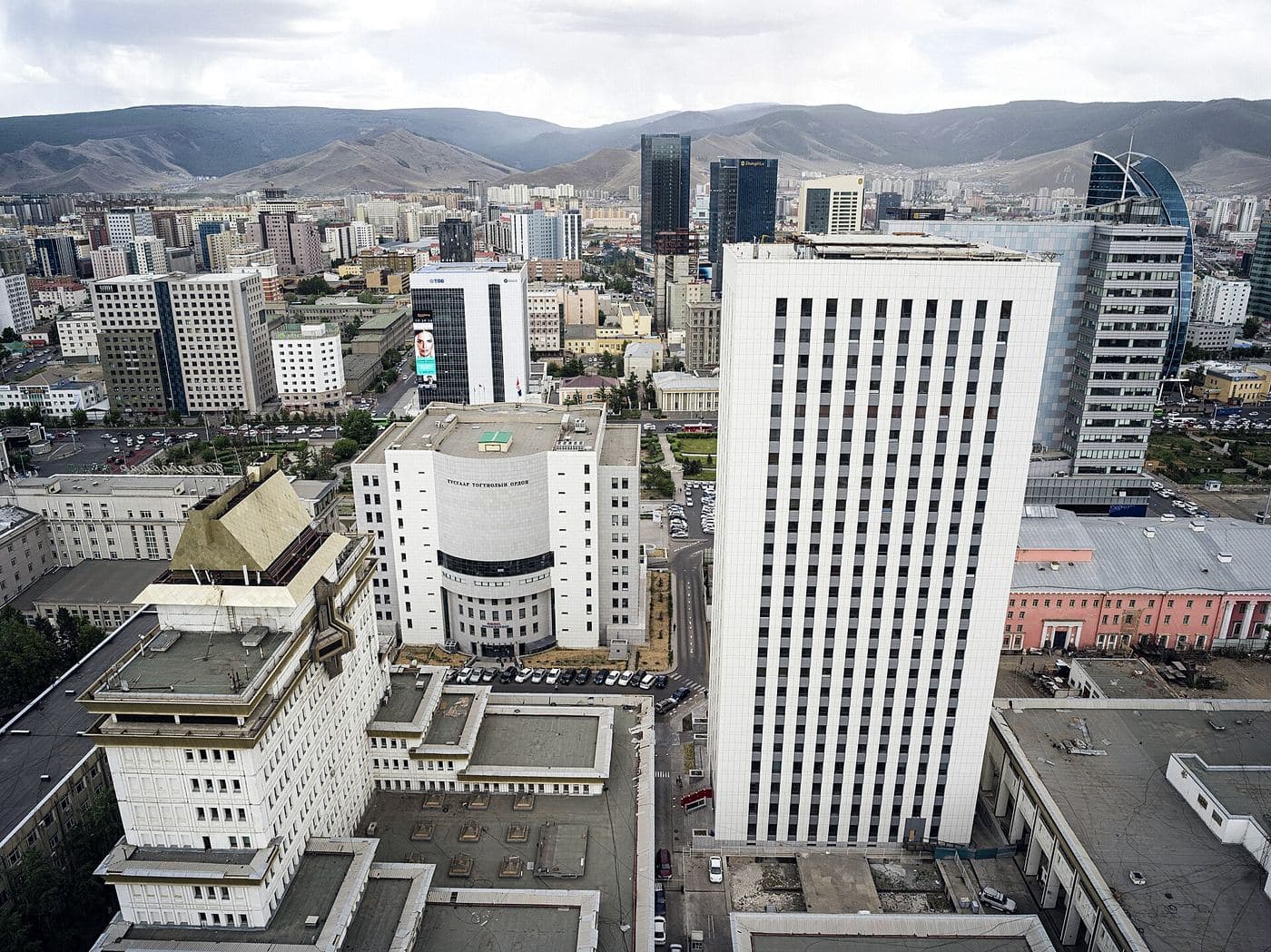
Mongolia's capital holds about 1.79 million people, roughly half the country, in a long valley on the Tuul river at around 1,300 m. It began in 1639 as a movable Buddhist monastic camp that shifted location 29 times before settling permanently on this spot in 1778, and took its present name in 1924. By mean annual temperature it is the coldest national capital in the world. For travellers it is less a destination than the hinge of every central-Mongolia trip: the museums that explain what you are about to drive through, the permits, the drivers and the last reliable ATM.
- From Ulaanbaatar
- 0 km
- Drive time
- 0
- Altitude
- 1,300 m
- Typical stay
- 2-3 at the start of a trip, 1 at the end
- Best months
- Jun–Sep
- Jan: not a best month
- Feb: not a best month
- Mar: not a best month
- Apr: not a best month
- May: not a best month
- Jun: a best month
- Jul: a best month
- Aug: a best month
- Sep: a best month
- Oct: not a best month
- Nov: not a best month
- Dec: not a best month
Highlights
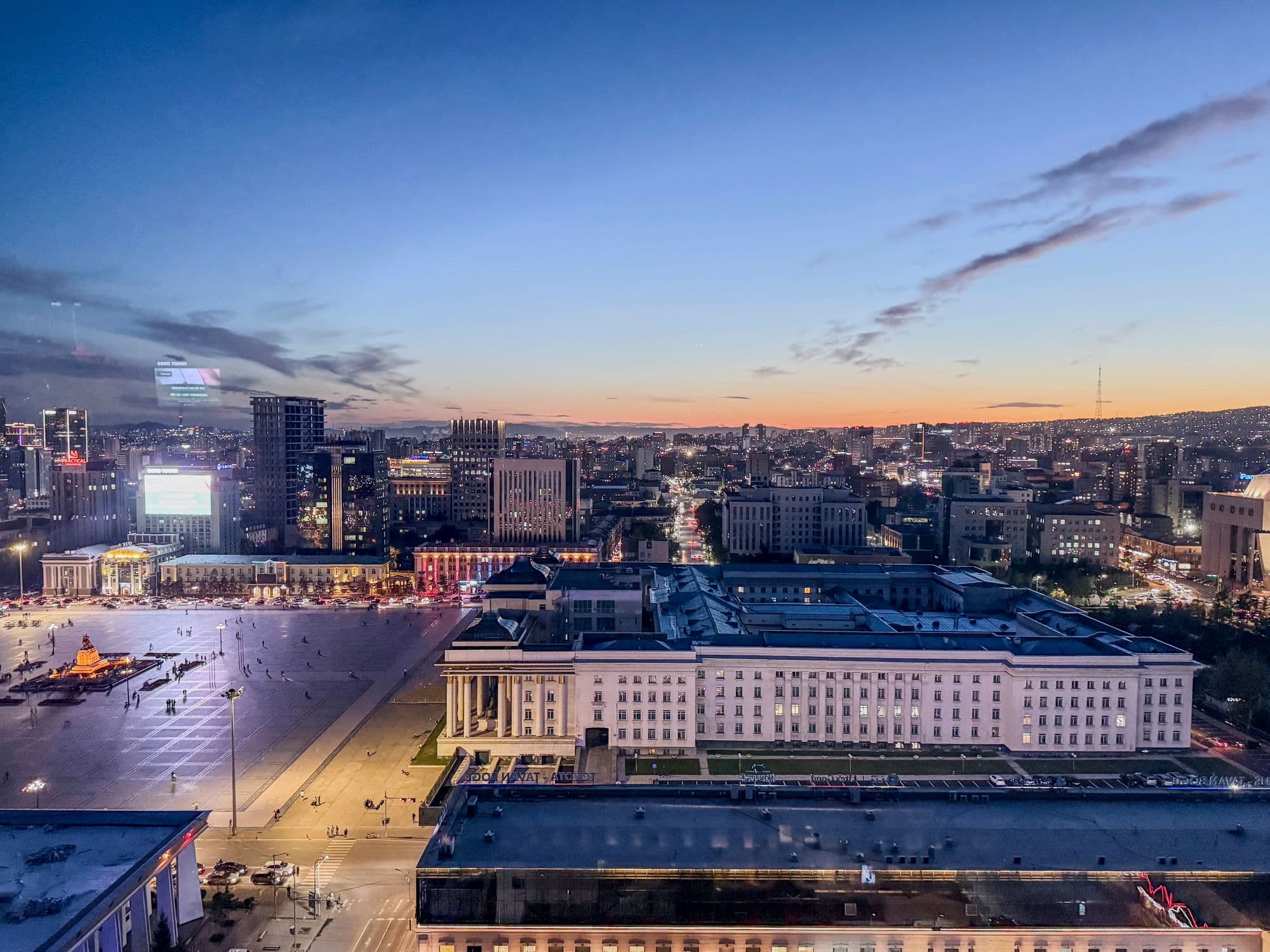
- Sükhbaatar Square and the Government Palace, with the seated Chinggis Khaan monument on the north side
- Gandantegchinlen Monastery, the country's main working Buddhist centre
- Chinggis Khaan National Museum, the newest and largest of the history museums
- National Museum of Mongolia, the standard one-stop overview from the Bronze Age to 1990
- Zanabazar Museum of Fine Arts, for the sculpture of the first Jebtsundamba Khutuktu
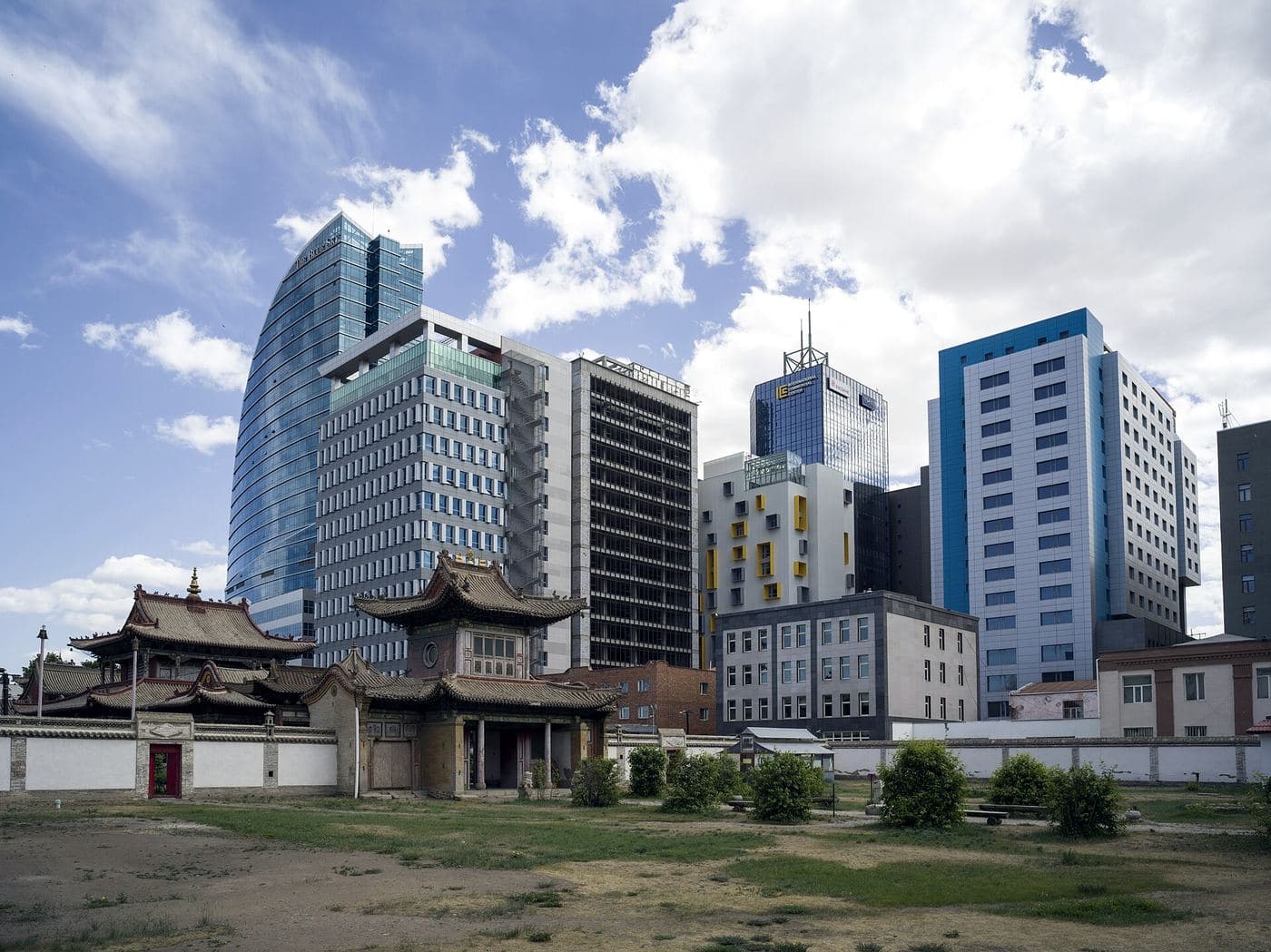
- Choijin Lama Temple Museum and the Bogd Khan Winter Palace, two pre-revolution religious complexes kept as museums
- Naadam on 11-13 July: wrestling, archery and horse racing at the National Stadium
- Zaisan hill for the view over the city and the Tuul valley
Season notes
July and August are the mild months, averaging about 24 °C by day and 13 °C at night. Winter nights sit between -15 °C and -30 °C, and from November to early March coal smoke from the ger districts makes the air genuinely bad, typically starting around 19:00 and lasting until about 10:00 the next morning. Naadam (11-13 July) fills hotels and empties offices; book months ahead or plan around it.
From Ulaanbaatar
This is the start point for every route in this region.
By air
Chinggis Khaan International Airport is the country's main gateway. Airport taxis were quoted at 85,000-120,000 ₮ depending on destination; agree the fare before setting off. An airport shuttle bus also runs.
Where to stay
- Hotels and hostels cluster around Peace Avenue and Sükhbaatar Square; no 2026 nightly rate could be confirmed from a primary source (unverified)
- Guesthouses used by overland travellers also act as informal tour desks and can arrange drivers
Be aware
Sources (2)
- Ulaanbaatar - Wikipedia — population, elevation, foundation 1639, permanent settlement 1778, renaming 1924, coldest-capital claim
- Ulaanbaatar - Wikivoyage — museum and monastery ticket prices, bus and U-card fares, airport taxi range, Naadam dates, winter and summer temperatures, air pollution hours
Often combined with
Gorkhi-Terelj National Park
Töv · 56 km
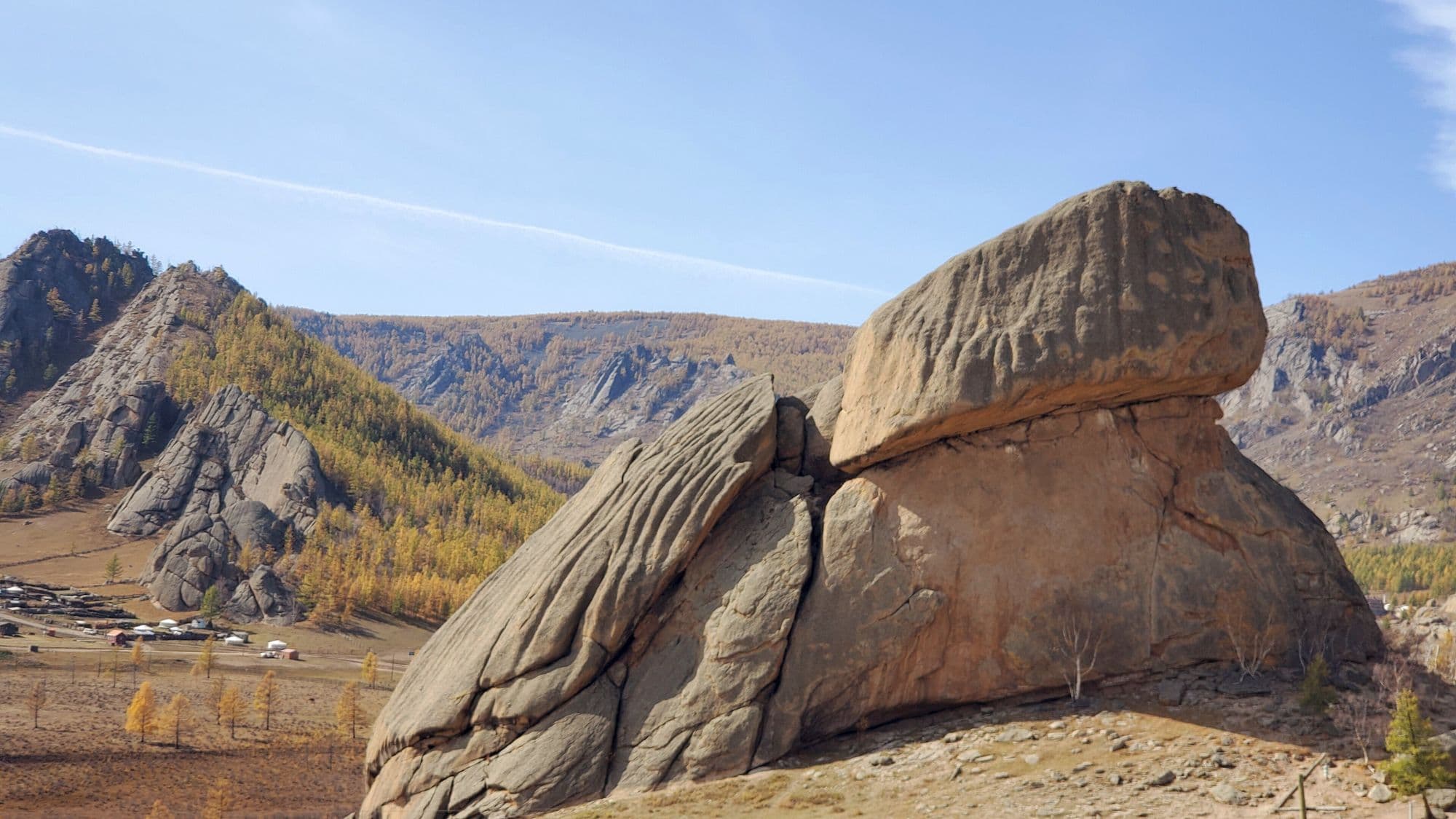
Terelj is the closest thing to real mountain country within an easy drive of Ulaanbaatar: weathered granite tors, larch and birch on the north-facing slopes, and the Terelj river winding through meadows in the south-western foothills of the Khentii. The park's name comes from the words for creek and rhododendron. Only a small southern strip is developed, with dozens of tourist ger camps, horse and camel hire, restaurants and souvenir stalls; beyond the Gorkhiin Davaa pass most of the park is roadless. It is the standard first or last night of a Mongolia trip, and the best place to try a ger without committing to two days in a van.
- Best months
- Jun–Sep
Genghis Khan Equestrian Statue, Tsonjin Boldog
Töv · 54 km
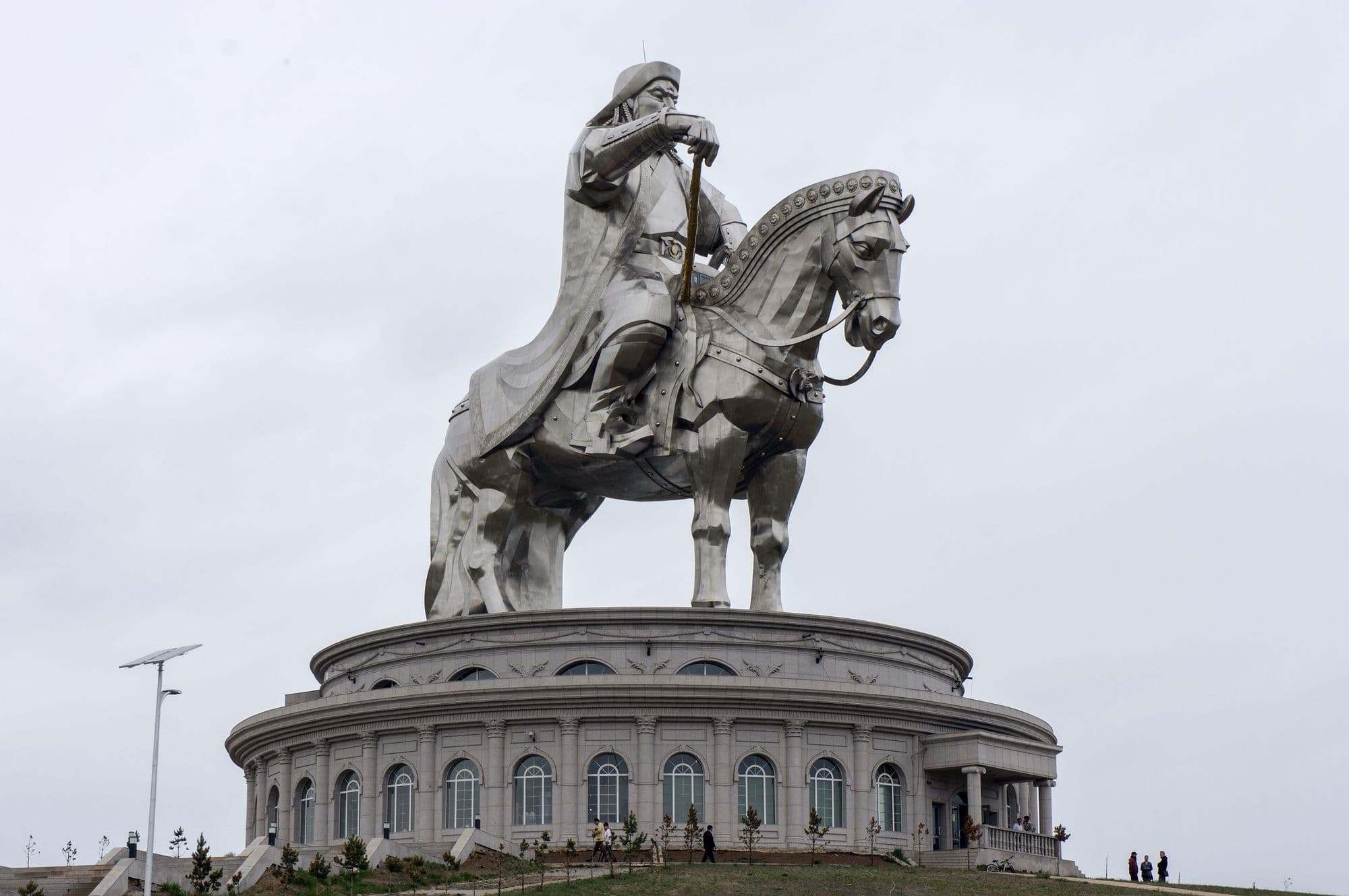
A 40-metre stainless-steel Genghis Khan rides out of the steppe on the south terrace of the Tuul river at Tsonjin Boldog, the place legend says he found a golden whip. It is the tallest equestrian statue in the world, opened on 26 September 2008 for the 800th anniversary of the founding of the Mongol Empire. Visitors climb up through the horse's chest and neck to a viewing platform on its head, looking out over the rider's face and the open country beyond. The 10-metre building it stands on has 36 columns, one for each khan from Genghis to Ligdan.
- Best months
- May–Sep
Hustai National Park (Khustain Nuruu)
Töv · 95 km
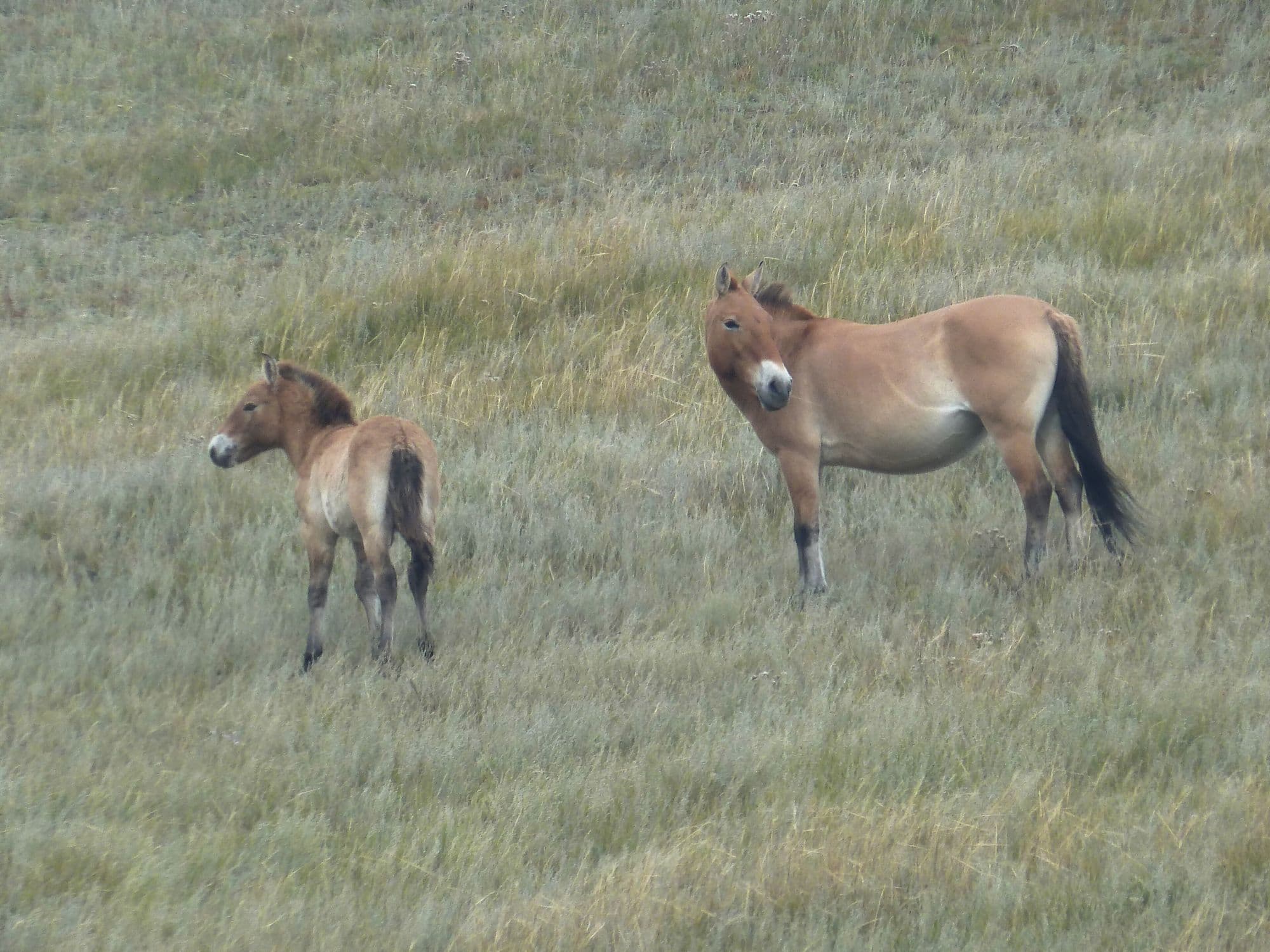
Hustai protects 506 km² of rolling hill steppe and birch pockets in the Khustai range, with the Tuul river running through it. It exists because of one animal: the takhi, or Przewalski's horse, the last truly wild horse, extinct in the wild by the late 1960s and released back here from zoo stock starting in 1992. The reintroduction worked. The area became a nature reserve in 1993 and a national park in 1998, and the population now stands at about 380 horses in 34 breeding harems plus more than 80 young stallions. It is the one place close to Ulaanbaatar where a two-hour drive buys you a realistic chance of wild horses at dusk.
- Best months
- Jun–Sep